
Coriander Leaves (Dhonia Pata) – ধনিয়া পাতা – ONatural
Price range: 50.00৳ through 500.00৳Radish (Mula) – মুলা/Kg
Organic

Quick Comparison
| Radish (Mula) - মুলা/Kg remove | Hydroponic Spinach (Palong Shak) - হাইড্রোপনিক পালং শাক - O'Natural/Kg remove | Snake Gourd (Chichinga) - চিচিঙ্গা - O'Natural/Kg remove | Papaya Raw (Kacha Pepe) - কাঁচা পেঁপে - O'Natural/Kg remove | Brinjal Long - (Lomba Begun) - লম্বা বেগুন - O'Natural/Kg remove | Hydroponic Rock Melon - O'Natural/Kg remove | |||||||||||||||||
|---|---|---|---|---|---|---|---|---|---|---|---|---|---|---|---|---|---|---|---|---|---|---|
| Name | Radish (Mula) - মুলা/Kg remove | Hydroponic Spinach (Palong Shak) - হাইড্রোপনিক পালং শাক - O'Natural/Kg remove | Snake Gourd (Chichinga) - চিচিঙ্গা - O'Natural/Kg remove | Papaya Raw (Kacha Pepe) - কাঁচা পেঁপে - O'Natural/Kg remove | Brinjal Long - (Lomba Begun) - লম্বা বেগুন - O'Natural/Kg remove | Hydroponic Rock Melon - O'Natural/Kg remove | ||||||||||||||||
| Image | 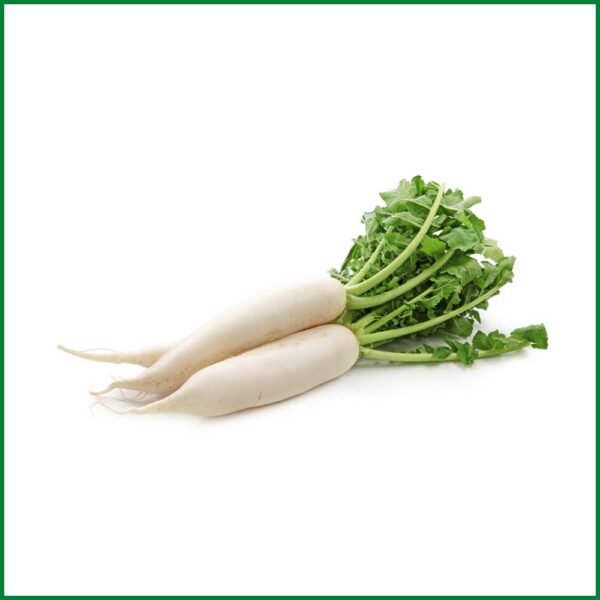 | 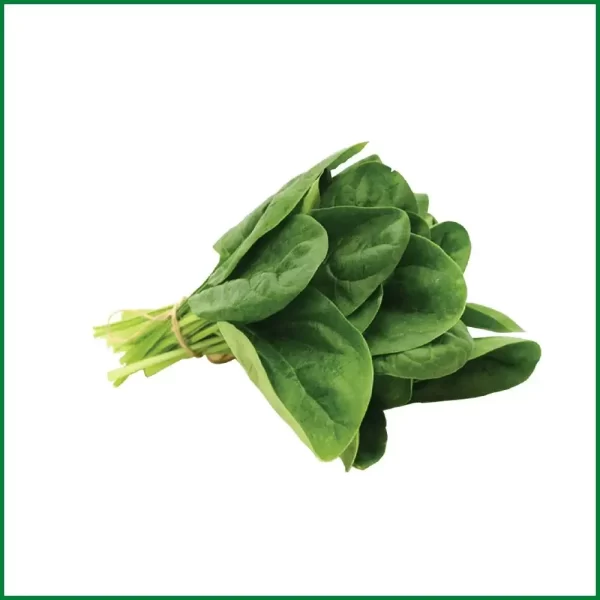 |  |  | 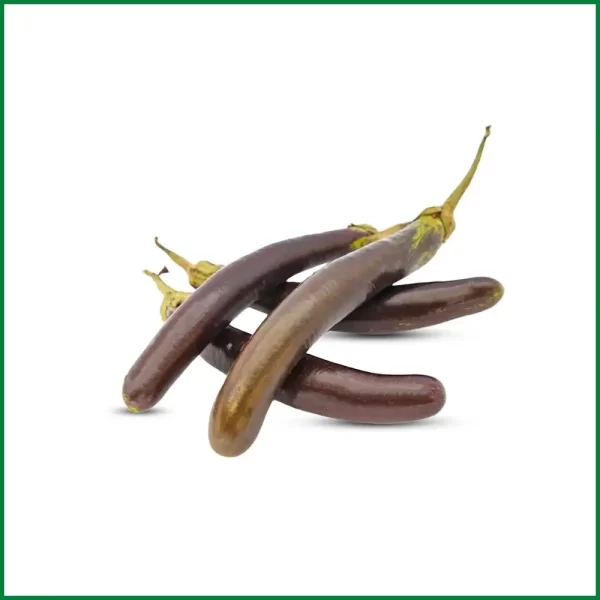 |  | ||||||||||||||||
| SKU | 25039 | A003578 | 25024 | A005867 | 25008 | A001997 | ||||||||||||||||
| Rating | ||||||||||||||||||||||
| Price | 40.00৳ | 70.00৳ | 100.00৳ | 90.00৳ | 130.00৳ | Original price was: 450.00৳ .400.00৳ Current price is: 400.00৳ . | ||||||||||||||||
| Stock |
Available on backorder
|
Out of stock
| ||||||||||||||||||||
| Availability | Available on backorder | Out of stock | ||||||||||||||||||||
| Add to cart | ||||||||||||||||||||||
| Description | 🌱Naturally grown ✅Preservative-free ✅Pesticide-free | |||||||||||||||||||||
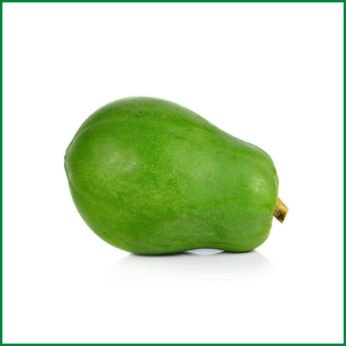
| Content | Hydroponics is described as the process of growing plants or crops in water without the use of soil. Through the Hydroponic Process, plants grow in water containing nutrients. Examples of this type of hydroponic systems includes NFT (nutrient film technique) systems and deep-water float systems where plant roots are set in nutrient solutions. Another definition of hydroponic is growing plants without soil. Hydroponics eliminates soil and soil-borne pests and disease, so there is no need to use large amounts of pesticides. This, in turn, reduces soil erosion as well as air and water pollution. Pesticides from traditional soil-based agriculture run off into rivers and streams, harming fish populations. Hydroponics is not only beneficial to your health, but it is also beneficial to the environment. As previously stated, it is a more sustainable method of growing vegetables, so it has a lower environmental impact. Hydroponic gardens can also help to improve air quality. | 'Chichinga or Kaida or Kuushi or Hoida (English: Snake gourd) (scientific name: Trichosanthes cucumerina) is a soft vegetable like Zing but longer or sometimes twisted like a snake. It is a member of the Cucurbitaceae family like shrimp, gourd, cucumber, pumpkin, etc. Chichinga will dry any kind of wound on the body quickly. Constipation is relieved due to its high fiber content. It contains various anti-inflammatory properties. So protects the body from infection. | Raw papaya is very good for the colon and digestive process. It sweeps the stomach like a broom. And the fiber in it is very effective in curing constipation, piles, diarrhea, and gas problems. Raw papaya is effective in removing dead cells. We are providing Chemical Free Organic Raw Green Papaya from our project. | Long Brinjal is a very useful vegetable. As Brinjal helps maintain good skin and eyes, regular consumption of Brinjal will also help in weight loss. Long Brinjal is also beneficial in reducing blood cholesterol and controlling diabetes. It contains a lot of beneficial nutrients. For example, every 100 grams of Brinjal contains – Energy - 25 kcal, Sugar - 5.88 g, Sugar - 3.53 g, Fiber - 3 g, Fat - 0.18 g, Carbohydrate - 0.98 g, Thiamin - 0.039 mg, Riboflavin - 0.037 mg, Niacin- 0.649 mg, Pantothenic acid- 0.281 mg, Vitamin B6- 0.084 mg, Folate- 22 IU, Vitamin C- 2.2 mg, Vitamin E- 0.3 mg, Vitamin K- 3 .5 IU, Calcium - 9 mg, Iron - 0.23 mg, Magnesium - 14 mg, Manganese - 0.232 mg, Phosphorus - 24 mg, Potassium - 229 mg and Zinc - 0.16 mg. We are providing 100% chemical-free natural Long Brinjal. | ||||||||||||||||||
| Weight | 1000 g | 1000 g | N/A | N/A | N/A | 1000 g | ||||||||||||||||
| Dimensions | N/A | N/A | N/A | N/A | N/A | N/A | ||||||||||||||||
| Additional information |
|
|
|
Related products
12%Hydroponic
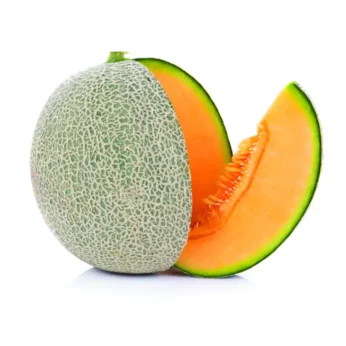
Hydroponic Rock Melon – O’Natural/Kg
Original price was: 450.00৳ .400.00৳ Current price is: 400.00৳ .Organic
Reviews
There are no reviews yet.