
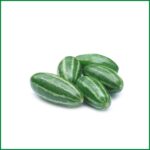

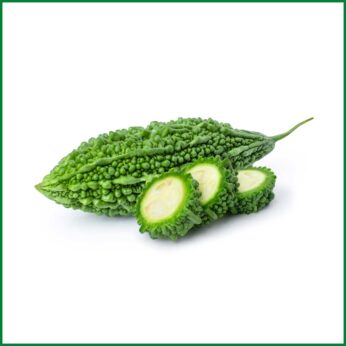
Snake Gourd (Chichinga) – চিচিঙ্গা – O’Natural/Kg

Description
‘Chichinga or Kaida or Kuushi or Hoida (English: Snake gourd) (scientific name: Trichosanthes cucumerina) is a soft vegetable like Zing but longer or sometimes twisted like a snake. It is a member of the Cucurbitaceae family like shrimp, gourd, cucumber, pumpkin, etc.
Chichinga will dry any kind of wound on the body quickly. Constipation is relieved due to its high fiber content. It contains various anti-inflammatory properties. So protects the body from infection.
Quick Comparison
| Snake Gourd (Chichinga) - চিচিঙ্গা - O'Natural/Kg remove | Data - ডাঁটা - O'Natural/Kg remove | Arum lobe । Taro (Kochur Loti) - কচুর লতি/Kg remove | Stem Bean | Yardlong Bean (Borboti) - বরবটি/Kg remove | Sponge Gourd (Jhinga) - ঝিঙ্গা/Kg remove | Hydroponic Spinach (Palong Shak) - হাইড্রোপনিক পালং শাক - O'Natural/Kg remove | |||||||||||||
|---|---|---|---|---|---|---|---|---|---|---|---|---|---|---|---|---|---|---|
| Name | Snake Gourd (Chichinga) - চিচিঙ্গা - O'Natural/Kg remove | Data - ডাঁটা - O'Natural/Kg remove | Arum lobe । Taro (Kochur Loti) - কচুর লতি/Kg remove | Stem Bean | Yardlong Bean (Borboti) - বরবটি/Kg remove | Sponge Gourd (Jhinga) - ঝিঙ্গা/Kg remove | Hydroponic Spinach (Palong Shak) - হাইড্রোপনিক পালং শাক - O'Natural/Kg remove | ||||||||||||
| Image |  |  | 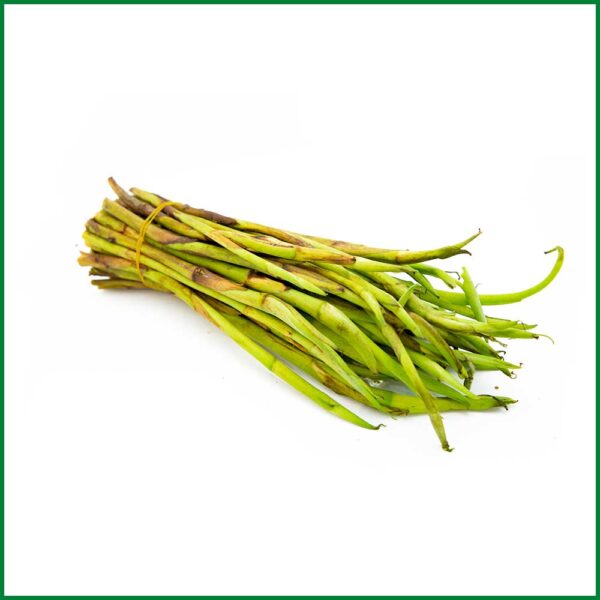 | 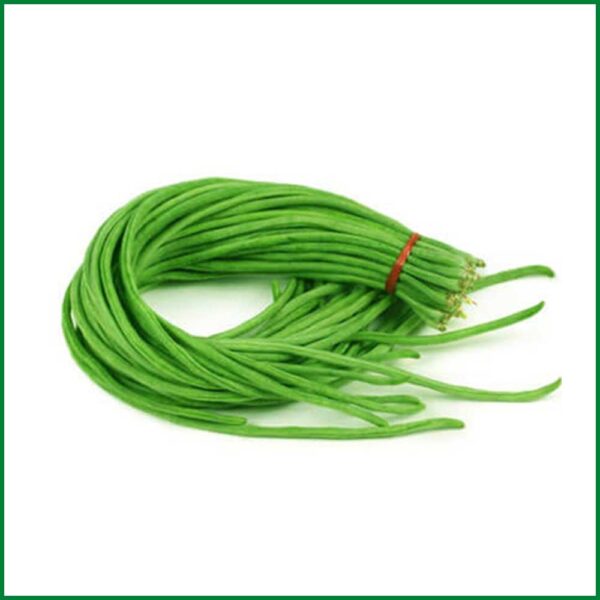 | 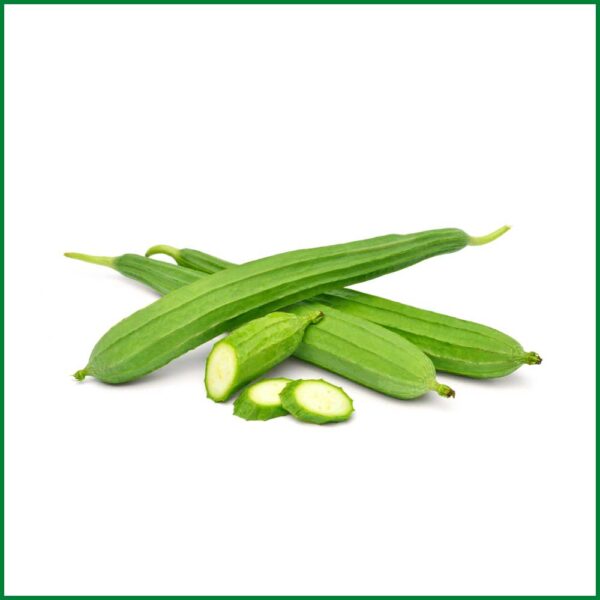 | 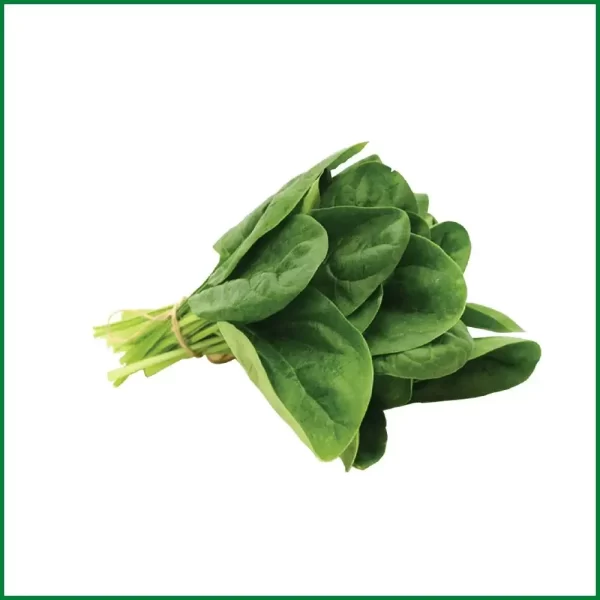 | ||||||||||||
| SKU | 25024 | A000669 | 25021 | 25019 | 25020 | A003578 | ||||||||||||
| Rating | ||||||||||||||||||
| Price | 100.00৳ | 60.00৳ | 120.00৳ | 120.00৳ | 110.00৳ | 70.00৳ | ||||||||||||
| Stock |
Available on backorder
| |||||||||||||||||
| Availability | Available on backorder | |||||||||||||||||
| Add to cart | ||||||||||||||||||
| Description | ||||||||||||||||||
| Content | 'Chichinga or Kaida or Kuushi or Hoida (English: Snake gourd) (scientific name: Trichosanthes cucumerina) is a soft vegetable like Zing but longer or sometimes twisted like a snake. It is a member of the Cucurbitaceae family like shrimp, gourd, cucumber, pumpkin, etc. Chichinga will dry any kind of wound on the body quickly. Constipation is relieved due to its high fiber content. It contains various anti-inflammatory properties. So protects the body from infection. | Data - ডাঁটা contain a large amount of vitamin C and folic acid; Which are very beneficial for the skin. The vitamins present in this vegetable provide daily nutrition, prevent skin and hair loss, and protect the soft parts inside the mouth. Apart from this, the vitamin A contained in this leaf nourishes the eyes and plays a role in eliminating night blindness. | According to nutritionists, Kachur Loti contains a lot of iron, which helps in boosting the body's immunity. Kachur Lati is a very beneficial ingredient for athletes, pregnancy, growing children, and patients undergoing chemotherapy. It contains enough calcium. Which strengthens the bones of the body and is able to prevent hair brittleness. | Yardlong bean is a type of vegetable. A popular vegetable of Bangladesh. This vegetable can be cultivated throughout the year. Apart from being cooked, it can also be eaten raw. | Regular consumption of Jhinga increases the performance of the stomach and digests the food. Beneficial in Diabetes: Peptide enzymes present in shrimp reduce blood sugar levels. Also regulates blood insulin levels. As a result, Jhinga is very beneficial for diabetic patients. We are providing chemical-free organic Sponse Gourd (Jhinga) which is produced on our organic farm. | Hydroponics is described as the process of growing plants or crops in water without the use of soil. Through the Hydroponic Process, plants grow in water containing nutrients. Examples of this type of hydroponic systems includes NFT (nutrient film technique) systems and deep-water float systems where plant roots are set in nutrient solutions. Another definition of hydroponic is growing plants without soil. Hydroponics eliminates soil and soil-borne pests and disease, so there is no need to use large amounts of pesticides. This, in turn, reduces soil erosion as well as air and water pollution. Pesticides from traditional soil-based agriculture run off into rivers and streams, harming fish populations. Hydroponics is not only beneficial to your health, but it is also beneficial to the environment. As previously stated, it is a more sustainable method of growing vegetables, so it has a lower environmental impact. Hydroponic gardens can also help to improve air quality. | ||||||||||||
| Weight | N/A | N/A | 1000 g | 1000 g | 1000 g | 1000 g | ||||||||||||
| Dimensions | N/A | N/A | N/A | N/A | N/A | N/A | ||||||||||||
| Additional information |
|
|
|
|
Related products
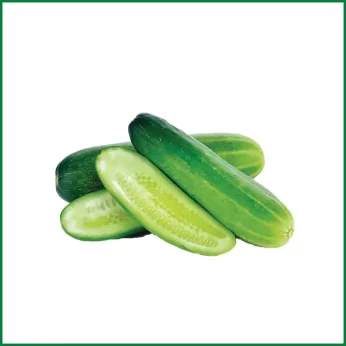
Organic
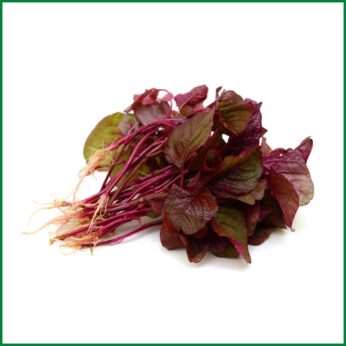
Organic
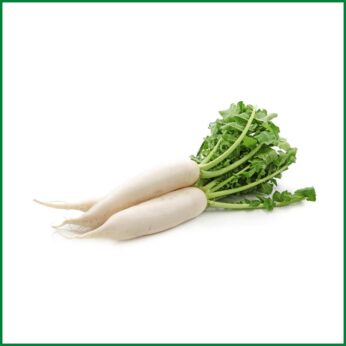
Reviews
There are no reviews yet.